Hope Royal Botanic GardensHope Royal Botanic Gardens

HomeOur Efforts

Conservation in progress

Massive work, quietly, every single day

Six programmes run in parallel across the estate. Together they decide whether Kingston keeps its canopy.

Scale of the work

Illustrative figures shown while audited numbers are confirmed.

12,500+

Trees planted

across the estate and partner sites

200 acres

Under active care

gardens, woodland and nursery

350,000+

Visitors a year

families, schools and travellers

9,000+

Students reached

through garden education programmes

Programmes

Where the effort goes

Each programme has a goal, a budget and a survival rate we track. Nothing here stops at the planting-day photograph.

Reforestation & tree planting

Reforestation & tree planting

Growing native and heritage trees on the estate and beyond — replacing storm losses, shading the lawns and expanding closed canopy.

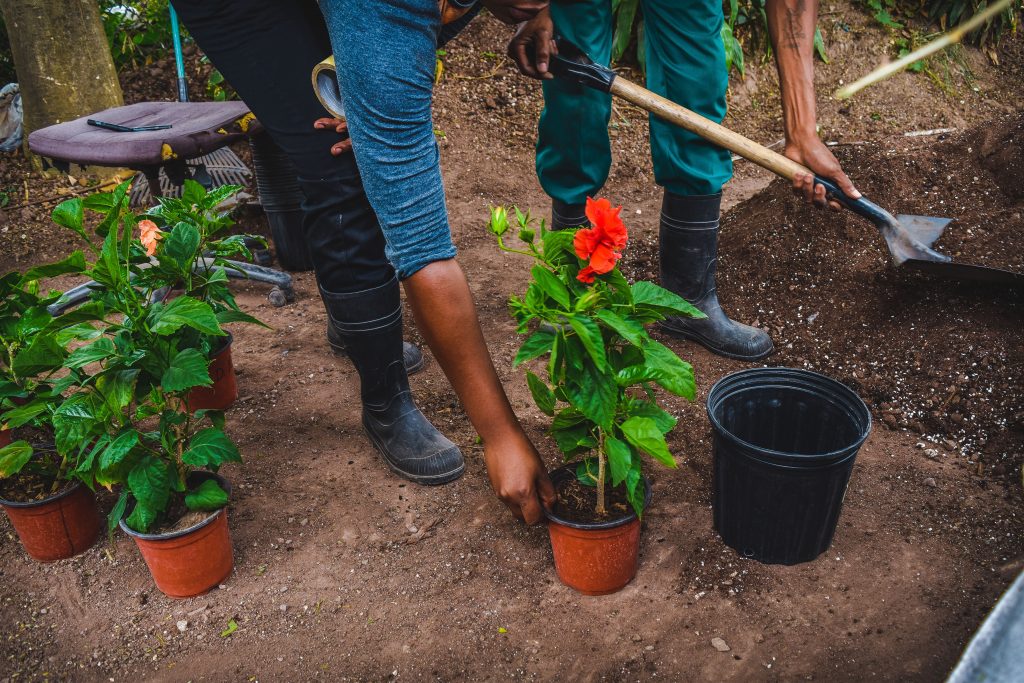
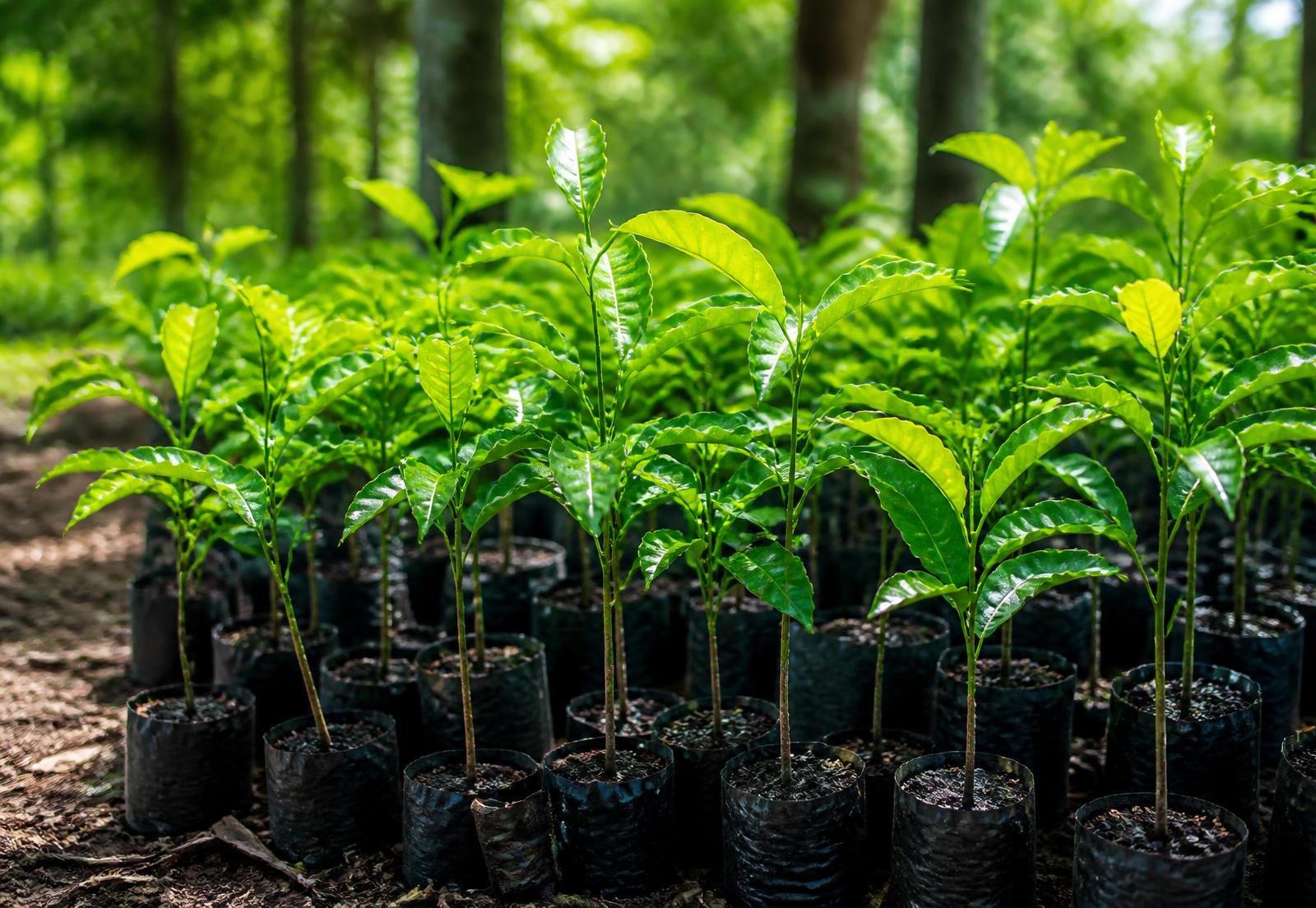
Seedlings are raised in the Gardens' own nursery, hardened off on site, then planted out with community and school volunteers. Every tree is mapped, mulched and watered through its first two dry seasons.

Plant 25,000 trees by 203050%

Water & irrigation restoration

Water & irrigation restoration

Restoring the ponds, channels and irrigation lines that keep 200 acres of garden alive through Jamaica's dry months.

The estate's historic water network feeds the lily ponds, the Sunken Garden pools and the nursery. Rehabilitating pipes, pumps and catchment saves both water and the trees that depend on it.

Rehabilitate the full estate irrigation network40%
Plant conservation

Plant conservation

Caring for a living collection of Jamaican and tropical plants — including veteran specimen trees over a century old.

Curators record, propagate and protect the collection, prioritising endemic Jamaican species and heritage specimens that cannot be replaced.

Full audit and propagation plan for the living collection65%
Education & community

Education & community

School visits, teacher resources and hands-on planting days that turn a day out into a lifelong habit of care.

Students walk the labyrinth, plant a tree, and learn how soil, water and canopy work together. Community groups use the gardens for wellness, culture and family days.

Reach 15,000 students a year60%
Pollinators & honey

Pollinators & honey

Bee colonies and pollinator planting across the estate, supporting fruit set, biodiversity and the Gardens' own honey.

Hives are managed on site with flowering corridors planted to keep forage available year-round. Honey sales feed straight back into conservation.

Double flowering corridor length35%
Paths, shade & access

Paths, shade & access

Better paths, seating, signage and shade so every visitor — including elders and wheelchair users — can move through the gardens easily.

Resurfaced routes, interpreted signage and new shade planting make the estate legible and comfortable in the Kingston heat.

Accessible loop through all major gardens30%

How a tree gets planted here

From seed to standing canopy

  1. 1

    Seed & propagation

    Seed is collected on the estate and raised in the nursery under shade cloth.

  2. 2

    Hardening off

    Seedlings move into full sun and reduced watering so they can survive planting out.

  3. 3

    Site preparation

    Planting sites are mapped, cleared and matched to the right species for the soil.

  4. 4

    Planting day

    Community groups, schools and corporate volunteers plant, stake and mulch.

  5. 5

    Two years of care

    Watering, weeding and replacement through two dry seasons — where most projects fail.

  6. 6

    Monitoring

    Survival is recorded and reported back to the partners who funded it.

Fund the work

Put your name on a grove

Partners fund whole programmes and receive reporting on exactly what their money grew.